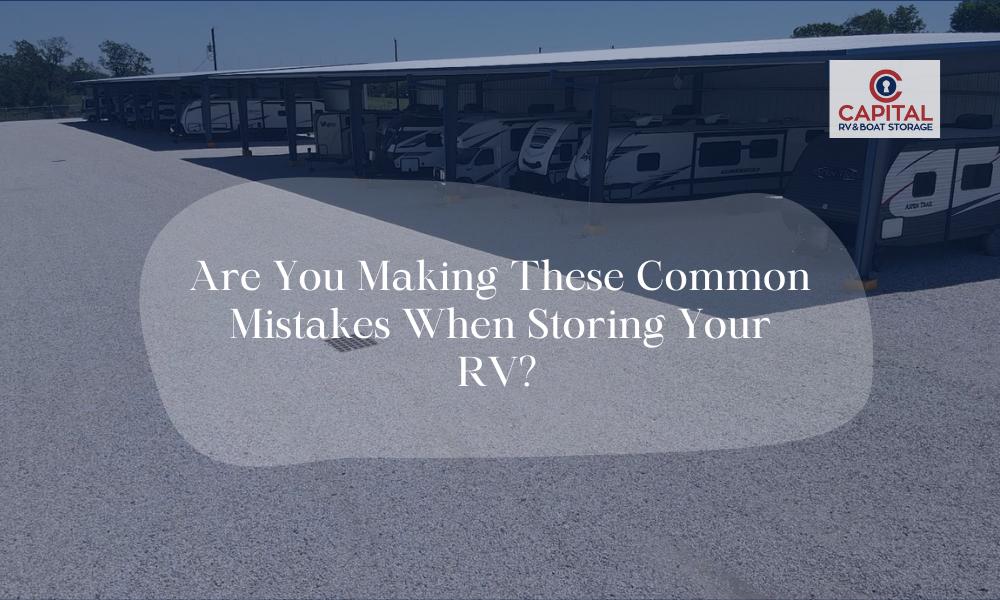
Are You Making These Common Mistakes When Storing Your RV?
Storing your RV isn’t just about parking it and walking away. Whether you're storing it for the winter or just for a few weeks, there are common mistakes that many RV owners make—mistakes that can end up costing you time, money, and even the lifespan of your vehicle. The good news is that these are all avoidable with just a little extra effort. Let’s walk through some of the most common RV storage mistakes owners make and how to avoid them.
10 Common RV Storage Mistakes
1. Not Cleaning Your RV Before Storage
This might seem like a no-brainer, but many RV owners skip a thorough cleaning before putting their vehicle away. Failing to clean your RV inside and out can lead to long-term damage. Leftover food crumbs can attract pests, and dirt or road salt on the exterior can cause rust or corrosion over time. So, before you store your RV, give it a good wash and make sure the interior is spotless. You’ll be thankful for what you did when you come back to a fresh, pest-free space and avoid common RV storage mistakes.
2. Forgetting to Maintain Your Tires
Tires are often one of the most overlooked parts of the RV when it goes into storage. Over time, the weight of the vehicle can cause flat spots, or worse, cracks in the sidewalls. Before parking your RV for an extended period, check the tire pressure and inflate them as needed. If you’re using RV storage companies for several months, consider jacking it up to take the pressure off the tires. This small step can help prevent expensive tire replacements down the road.
3. Skipping the Battery Check
Out of sight, out of mind, right? Well, not when it comes to your RV’s battery. If you’re leaving your RV in a storage unit block for an extended period, make sure to either disconnect the battery or use a trickle charger to keep it healthy. A drained battery is a common issue RV owners face after months of storage, and it’s one of those RV storage mistakes that's easily avoidable.
4. Using the Wrong Cover
It’s tempting to grab any old tarp and throw it over your RV, but this could do more harm than good. Low-quality covers or tarps can trap moisture underneath, leading to mold, mildew, and even rust. Instead, invest in a cover that’s specifically designed for RVs. These covers are breathable and will protect your RV from the elements without locking in moisture. Trust RV storage companies to recommend the right cover that suits your vehicle.
5. Ignoring Ventilation
Proper ventilation is key to preventing moisture buildup inside your RV. Without it, you’re likely to return to a musty smell or worse—mold and mildew. Keep a few windows slightly open or use ventilation covers that allow air to flow while keeping rain and pests out. This will help maintain a dry interior, even during long storage periods, and avoid one of the major RV storage mistakes.
Even if your RV is sitting safely in a storage unit block, it’s important to check on it periodically. At least once a month, stop by to inspect the tires, check for leaks, and make sure the cover is intact. You should also check the battery charge and fluid levels. A quick monthly visit can help you catch small problems before they turn into costly repairs.
7. Not Considering the Climate
The location where you store your RV plays a big role in how well it holds up over time. If you’re in a place with harsh winters, you’ll need to winterize your RV by draining the water systems and adding antifreeze to prevent pipes from freezing and bursting. On the other hand, if you're using RV storage companies in a hot, sunny area, consider a facility that offers covered or indoor parking to protect your vehicle from sun damage.
8. Failing to Secure the RV
It might seem like common sense, but securing your RV properly is often overlooked. Make sure all windows, doors, and compartments are locked before leaving your RV in a storage unit block. It’s also a good idea to remove any valuables from the inside and consider installing a security system or GPS tracker for added peace of mind.
9. Skipping Insurance Coverage
Some RV owners assume that their regular auto insurance will cover their RV in storage, but that’s not always the case. Before storing your vehicle, check with your insurance provider to ensure your RV is adequately covered while it’s parked. Some RV storage companies offer their own insurance options, so it’s worth asking about that as well.
10. Overlooking the Importance of a Quality Storage Facility
Where you store your RV matters. Not all storage facilities are created equal, and it’s important to choose one that offers adequate security and protection. Look for facilities with fenced perimeters, security cameras, and controlled access. A good facility will not only keep your RV safe but will also offer features like covered parking, power hookups, and wide driveways to make parking easier, helping you avoid major RV storage mistakes.
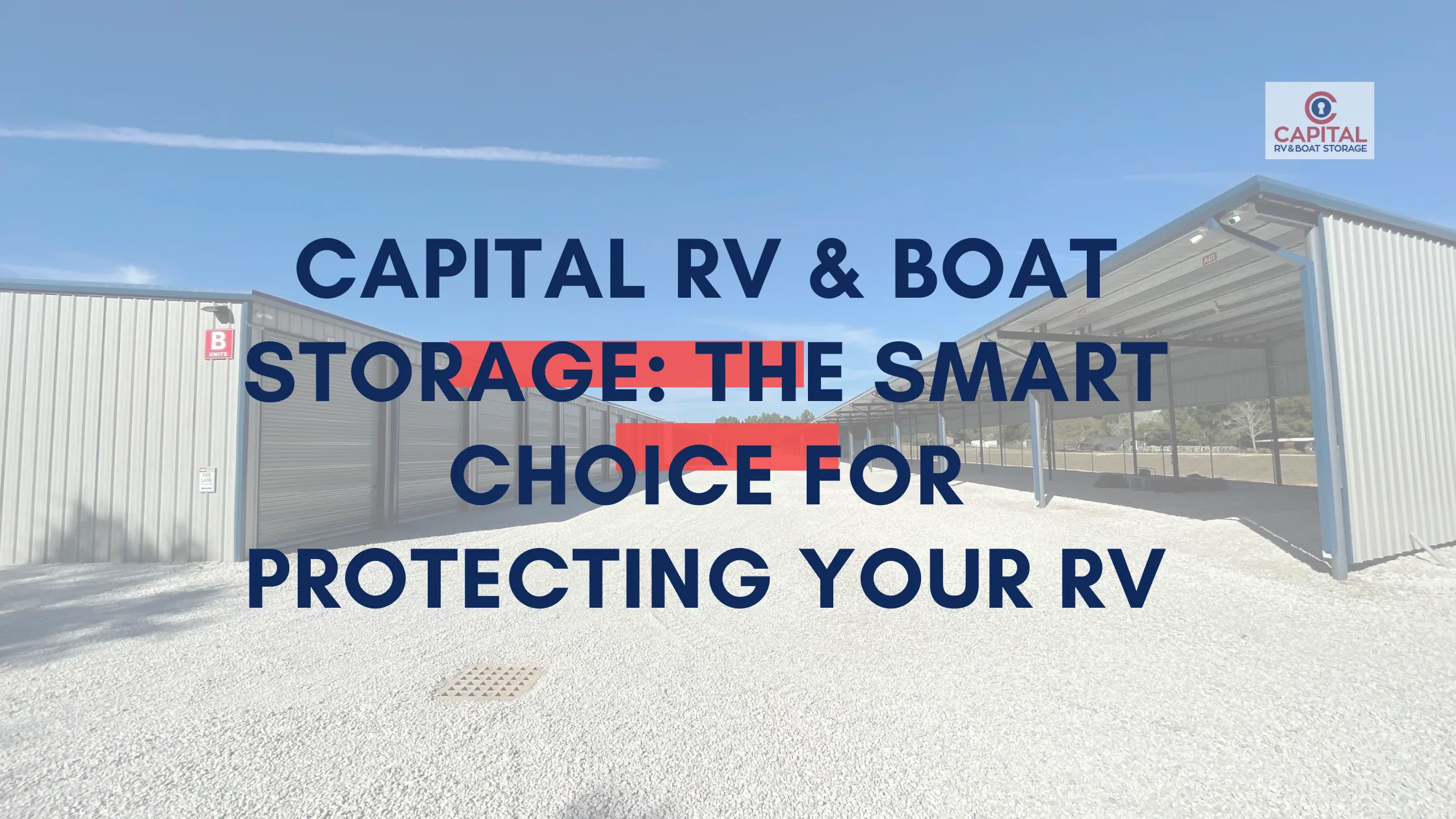
Capital RV & Boat Storage: The Smart Choice for Protecting Your RV
When it comes to storing your RV, peace of mind matters. At Capital RV & Boat Storage, we make it easy to store your RV the right way, with practical solutions that keep your vehicle safe, secure, and ready to roll when you need it.
1. Built for RV Owners
Our vehicle storage facility is designed with your needs in mind. Wide spaces for easy parking, covered options to shield your RV from the weather, and thoughtful features that make storing your RV a breeze — no stress, no hassle.
2. Security You Can Count On
Your RV deserves more than just a parking spot. We’ve got 24/7 video surveillance and gated access to keep your vehicle secure around the clock. Whether you’re storing it short-term or for the season, we’ve got you covered.
3. Access Anytime
Life doesn’t always run on a strict schedule, and neither do we. With 24/7 access, you can swing by whenever it’s convenient for you, whether that’s early morning or late night. Your RV is always ready when you are.
No hidden fees or complicated contracts here. We offer straightforward pricing that makes sense, giving you the flexibility to store your RV without breaking the bank. Quality storage, fair prices—it’s that simple.
FAQs
Some of the most common RV storage mistakes include skipping a full cleaning before parking the RV, forgetting to check tire pressure, leaving the battery connected for long periods, and ignoring routine inspections. These small oversights can lead to issues like pest problems, dead batteries, or tire damage when you’re ready to use the RV again.
Before storing RV for an extended period, it’s important to clean both the interior and exterior, empty all water tanks, check the tires, and disconnect or maintain the battery. Many owners also cover their RV and visit it occasionally during storage to check for leaks, pests, or other issues.
Yes, many RV storage companies provide features that help reduce the risk of common RV storage problems. Facilities designed for large vehicles often include wide driveways, covered spaces, security systems, and convenient access hours. Choosing the right storage facility can make storing your RV much easier and safer.
Conclusion
Avoiding RV storage mistakes doesn’t require complicated steps—just a little preparation and regular attention. Simple actions like cleaning the RV, checking the battery and tires, and visiting the vehicle occasionally can help keep it in good shape while it’s parked.
When it comes to storing RV, the location you choose also matters. Many RV owners rely on professional RV storage companies because they offer the space, accessibility, and security needed for large vehicles. By avoiding these common RV storage mistakes and choosing the right facility, you can make sure your RV stays ready for the next trip whenever the road calls.
EXPLORE MORE RELEVANT BLOGS
RV Storage Prices Near Me: Comparing Options and Amenities